
Introduction
Influencer marketing has been a dominant force in digital marketing over the past decade. With the ever-changing landscape of social media, businesses are now questioning whether influencer marketing is still a viable strategy in 2025. The short answer? Yes, because influencers have huge impact on audience influencer can help to increase your ROI and help to get a brand recognization.
Why only influencer marketing
Here some points which describe why online marketing is important :-
1.Growth and engagement of social media
In 21st century platforms like Instagram, LinkedIn, YouTube, have a huge audience base. or always remember customer trust more his favorite influencer in compare to traditional advertisements. influencer create short video of product and upload that video on his social media account charges may depend influencer followers.
2. Shift Toward Authenticity
- Audiences demand transparency and genuine recommendations.
- Micro and nano-influencers (1K–100K followers) are gaining popularity due to their high engagement rates and niche authority.
- Brands are focusing on long-term partnerships rather than one-off promotions.
3. Evolving Algorithms and Paid Partnerships

Influencer-generated content (IGC) is often repurposed for paid ads, maximizing ROI.Organic reach is declining, making influencer partnerships essential for visibility.Paid collaborations with influencers help brands navigate algorithm changes.
Best Strategies for Influencer Marketing in 2025
1. Prioritize Authenticity and Trust
- Partner with influencers who align with your brand values.
- Encourage genuine storytelling rather than scripted promotions.
- User-generated content (UGC) from influencers builds long-term credibility.
2. Leverage Micro-Influencers and Nano-Influencers
- Focus on smaller influencers with highly engaged audiences.
- Their followers trust their recommendations, leading to higher conversion rates.
- Cost-effective partnerships make this ideal for brands with limited budgets.
3. Use AI-Powered Influencer Analytics
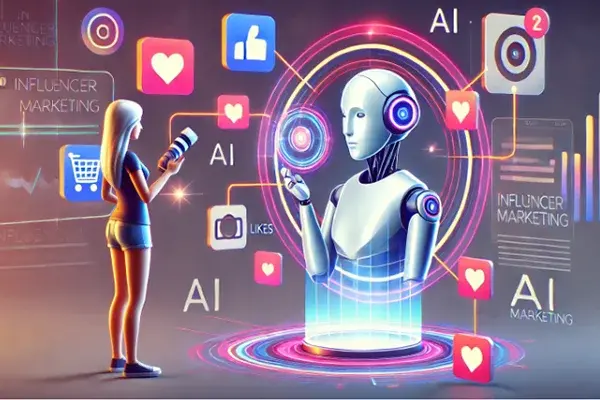
- Utilize AI tools to analyze influencer engagement, audience demographics, and authenticity.
- Prevent fake followers and bots from diluting campaign effectiveness.
- AI-driven insights optimize influencer selection for maximum impact.
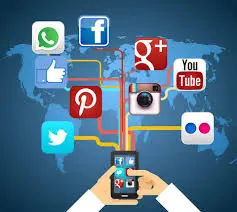
4. Diversify Across Multiple Platforms
- Don’t rely solely on Instagram—expand to TikTok, YouTube, LinkedIn, and emerging platforms.
- Different platforms cater to different demographics and content formats.
- Cross-platform collaborations increase brand visibility.
5. Implement Performance-Based Models
- Offer commission-based payments to incentivize results-driven campaigns.
- Track conversions using UTM links, promo codes, and affiliate marketing platforms.
- Measure engagement metrics (click-through rates, sales, ROI) rather than vanity metrics.
6. Invest in Long-Term Partnerships
- Build ongoing relationships with influencers rather than one-off campaigns.
- Long-term partnerships improve credibility and brand loyalty.
- Influencers become genuine brand ambassadors over time.
7. Leverage Emerging Technologies

- AR and VR experiences enhance engagement (e.g., virtual try-ons for fashion and beauty brands).
- Blockchain-based influencer contracts ensure transparency and fair compensation.
- AI chatbots and automated influencer outreach streamline collaborations.
For packing your brand visit jainsonbox